New Gods
It’s the Things that are Missing that Make You a Star

“Only brand new gods can save me”
-Grimes
I want to be famous. As in, I want to be celebrated for being who I am. I want to be recognized as a special person. I want to be invited to cool parties and dressed in gowns custom-made for my body and eclectic tastes. I want to get my hair and makeup done by professionals to look as striking as possible. I want a personal trainer to coach me into my dream body. I want to never worry about money. I want to say cheesy things like, “I’ve got the best job in the world,” and actually mean it.
I’ve been fascinated with fame for as long as I can remember. As a child, much to my parents’ chagrin, I watched an ungodly amount of television. It was one of my favorite things to do. I loved flipping through the channels to discover new shows and movies and had all my favorite channels (of which there were many) memorized. I watched it all. Cartoons, cooking shows, teen dramas, family sitcoms, reality TV, black and white films, HGTV. There was so much to learn, so many beautiful people to gaze at, so much emotion to feel.
I dreamed about acting in the shows I watched and fantasized about getting “discovered” and cast in a movie. I wondered what it might be like to win an award and give a cliché acceptance speech thanking God. Perhaps one day somebody important would recognize how special I was just from a mere glance and decide to give me a chance. And after that, my life would change forever.
Though my vibrant imagination envisioned being in some kind of spotlight, gradually my dreams began to fade. Understandably, my mother didn’t want to be a stage mom and she also feared what repeated rejection could do to my self-esteem. As I grew I also learned more about “the industry.” I learned that only the most special, dedicated, beautiful, skinny, connected (and maybe even crazy) people could make it through. And some of them would lose their minds in the process.
Not only was success on screen rare and rife with rejection, it was also littered with abuse. I learned that people were treated cruelly, sexually assaulted, stalked, sent death threats. I learned that people with fame could struggle deeply with their mental health and even fall into dangerous addictions, sometimes resulting in their deaths. I wracked my brain again and again. If it was so bad to be a star, and I kept learning more reasons why it was bad, then why did I still want it?
I wasn’t alone. Wanting fame, power, and attention is something many people crave – and it comes in many different flavors. Actors, athletes, politicians, journalists. It’s now a point of parody that “everyone wants to start a podcast these days.” I mean, hell, the president of the United States is one of the biggest fame whores of them all. Did you know there’s a long list of actors who later transitioned into political careers?
The human spirit revels in extremes. We love to celebrate achievement and search endlessly for perfection. The Olympics, Forbes 30 Under 30, America’s Next Top Model, Time Magazine’s Most Influential People, America’s Got Talent. Though none of these things are inherently bad, they demonstrate that human beings like seeing other human beings do impressive things.
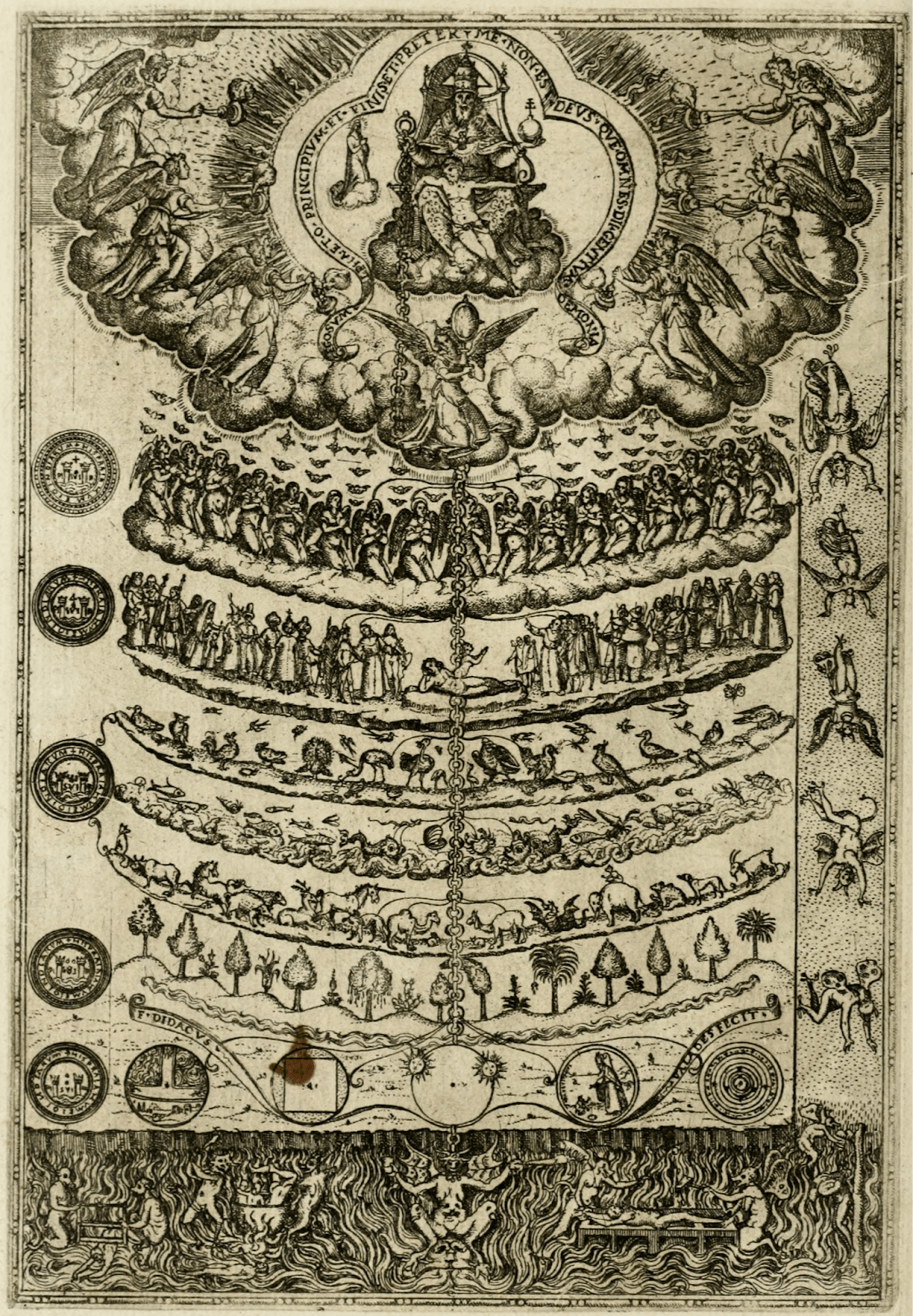
In a society obsessed with social hierarchies, we are made to believe that if we are at “the top,” it means we matter. And if we are not near the top, we are less than and deserve less. From this perspective, it’s no surprise that many ordinary people look up to those at the top, or want to be like them. The hierarchy tells us that if we emulate the lives of those at the top, we might have a chance of joining them one day.
Wake up at 5am! Do a 10 step skincare routine! Invest in crypto! Go to the gym! No excuses!
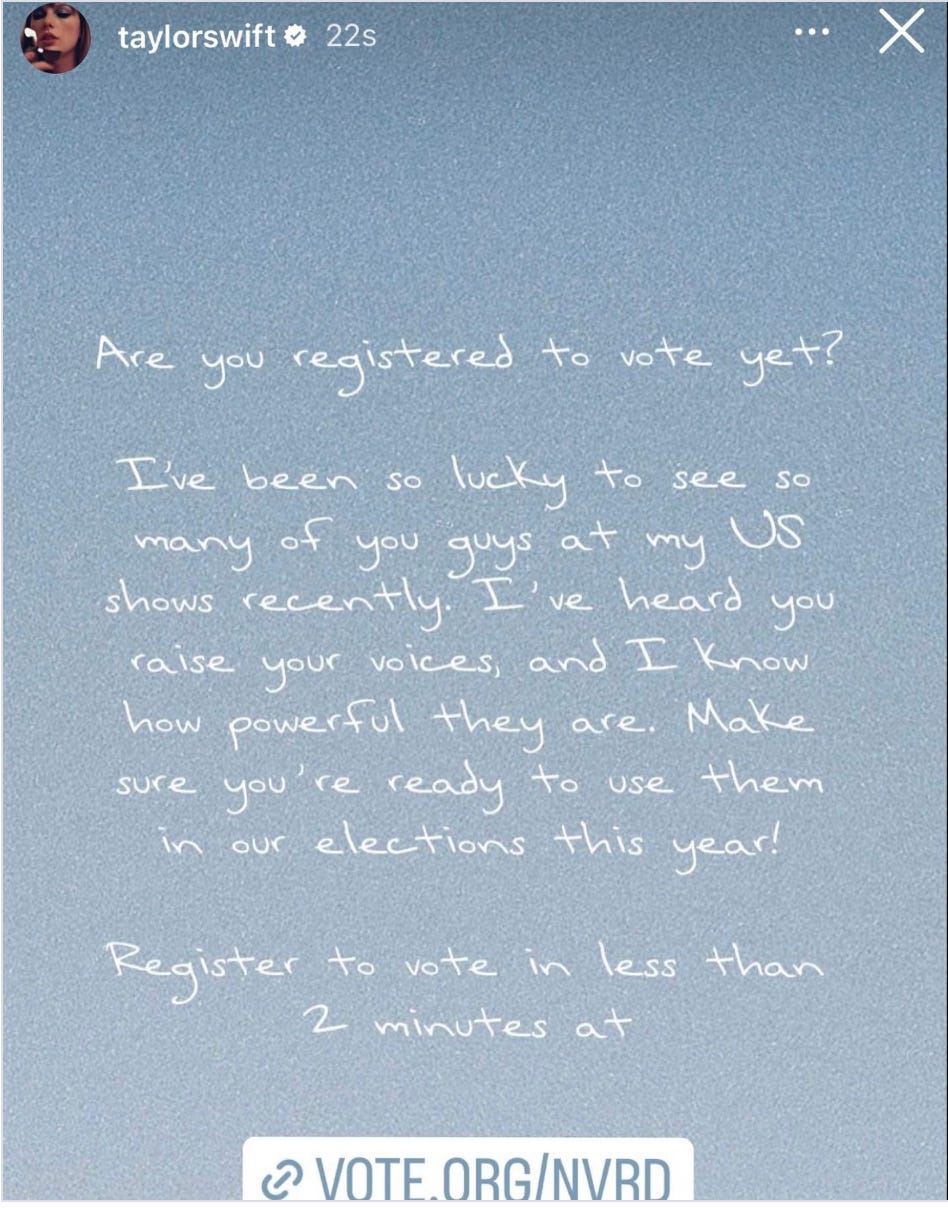
The level of celebration, power, and influence these individuals possess is unmatched with the average person. In 2023, Taylor Swift posted a message on IG with a link encouraging her fans to register to vote. Within an hour, the website vote.org reported, “a 1,226% jump in participation in the hour after the post,” and they received 35,000 new registrations.
George Michael, a huge celebrity of his era, had some interesting thoughts about fame. According to Michael, fame was a marker of insecurity and lack. He said in an interview in 1998,
“I didn’t want to be rich, I just wanted to be filthily famous… It was like most singers — it was feeling not listened to, it was lots of feelings of low self-worth. [All] the screwed up things that go together to make someone who becomes well-known…I have never met a star who didn’t come from the same kind of insecurity…It’s the things that are missing that make you a star. It’s not the things that you have.”
Now I don’t believe this is the only perspective and that being famous is simply a symptom of deep-seated insecurities, though it can be and often is. Sure, my desire for fame was about my love for movies and TV, but it was also about feeling like a nobody. I thought that if I became a face on a screen, if I had fans, then maybe it would mean I was actually worth something.
The recent Bezos’ wedding is a great example of what Michael was talking about. Jeff Bezos is one of the wealthiest human beings of all time but, as I’ve written about before, a lot of hyper-wealthy people are fucking miserable. All the money, power, or influence in the world will never be enough to fill the empty voids these billionaires feel within. It’s the things that are missing that make you a star. It’s not the things that you have.
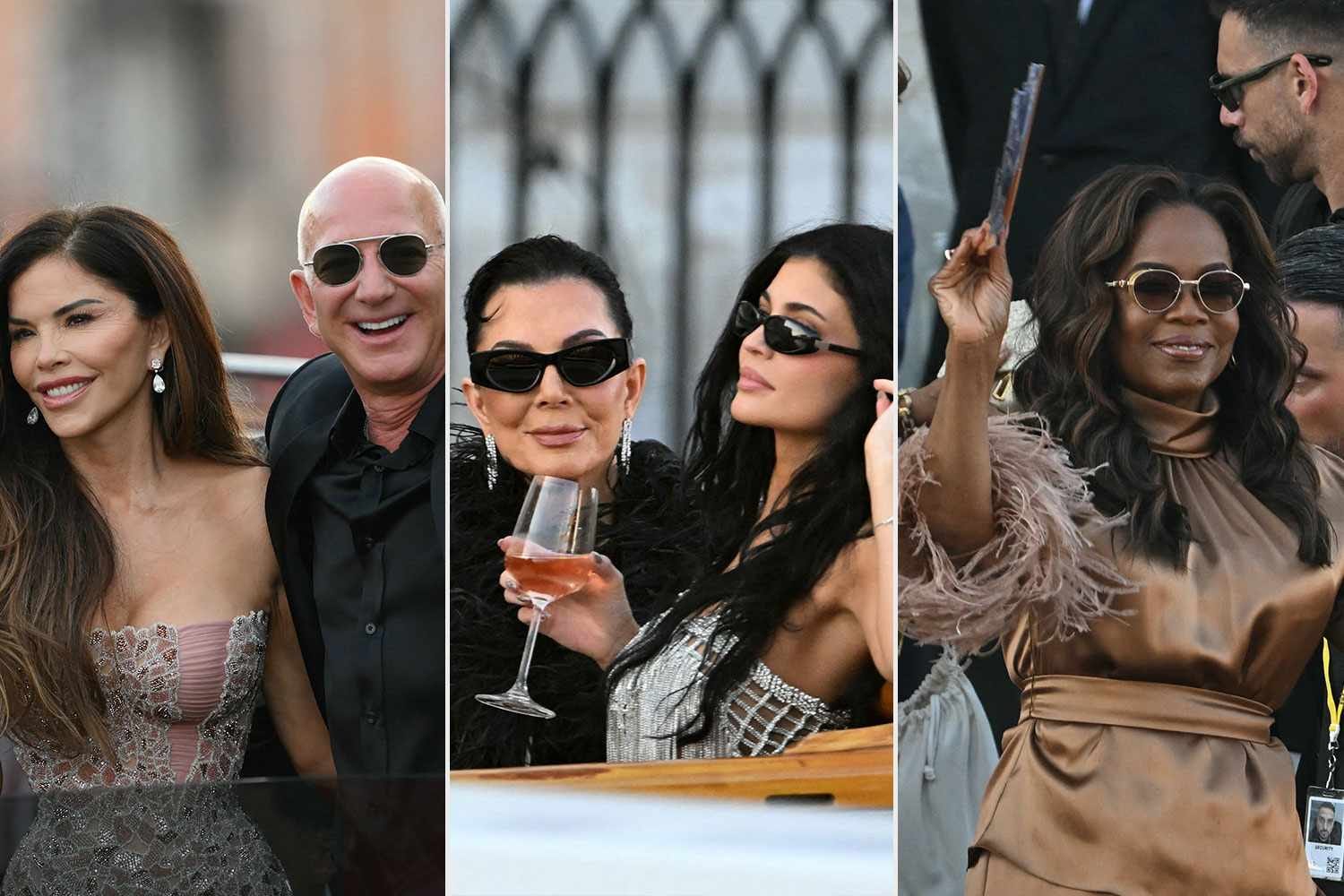
Estimates say the wedding cost about $50 million, a drop in the bucket for the likes of Jeff. But what intrigued me more about this wedding was its extravagance and its guest list. Lauren Sánchez, who has been trying her best to become a fashion “It Girl” is reported to have had 27 outfit changes during the multi-day celebrations. To arrive at the Venetian wedding, 90 private jets landed at Marco Polo Airport and included guests like Leonardo DiCaprio, Tom Brady, Oprah Winfrey, Bill Gates, Mick Jagger, Jerry Seinfeld, the Kardashians, and even the royal family of Jordan.
What I’m actually interested in is the fact that Mr and Mrs. Bezos appear to not have real friends. I don’t believe for one second that this couple is emotionally close to people like Tom Brady or Mick Jagger. Oprah? C’mon now. What feels closer to the truth is that the proximity to folks with legacies is what was more important to them.
In English, and many other languages, it’s common to use the idea of deities to describe beautiful people. “She’s a goddess.” “He’s chiseled like a Greek God,” etc. If you’re chronically online like I am then you might have heard of Looksmaxxing. For the uninitiated, it basically means making yourself look hotter. It originated within online incel communities as early as the 2010s but has entered a more “mainstream” audience with the advent of TikTok.
Is wanting to look hot inherently bad? No, but it is the way these guys do it. Looksmaxxers engage in things like dangerous dieting, intensive workouts, steroid usage, injecting themselves with unregulated gray market peptides, bone smashing, and cosmetic surgeries. Of course, this isn’t anything new. We’re in the “Ozempic era” and arguably society has always had Looksmaxxers (shoutout to Kim K). To the people, predominantly men, that create and engage with Looksmaxxing content however – it’s not simply about looking your best – it’s a philosophy.
In this mindset, being attractive is the most important quality a human being can have and, because it’s so powerful, you have to do whatever it takes to get there. Looksmaxxers fundamentally believe that one’s physical appearance has the biggest impact on their success in the sexual marketplace. Beauty isn’t everything of course, but it is true that we humans like looking at beautiful things. Studies have shown time and again that “Pretty Privilege” has some truth behind it. The problem is that a lot of these Looksmaxxers take this to dangerous extremes.
In 2016, Donald Trump famously said, “I could stand in the middle of Fifth Avenue and shoot somebody, and I wouldn’t lose any voters, OK?” Tragically, it was true then and it’s still true now. The message is loud and clear: with enough power, you can get away with anything. Getting away with things is also about ownership, something many powerful people are obsessed with. Humanity has practiced various forms of slavery for thousands of years. Slaves for hard labor, caretaking, sex, and whatever else you can think of, have been around for longer than written history.
This obsession with ownership extends to everything. Those at “the top” have gone through great lengths to own large expanses of our land, our bodies, our money, our attention, and our desires. The insatiable desire to own consumes these individuals and leads to the decimation of natural lands, sex trafficking, worker exploitation, and funding wars where human lives are viewed like used tissues.
Another deplorable Jeff, Epstein in this case, and his colleagues, brainwashed themselves to believe that the lives of other people are completely worthless. Like a god, they can do whatever they want with whomever they want and not have to answer to anyone or face any consequences. The sad reality is that these people get away with literal murder because money is the god that pays. At this echelon of society, social — and literal — capital, are God.
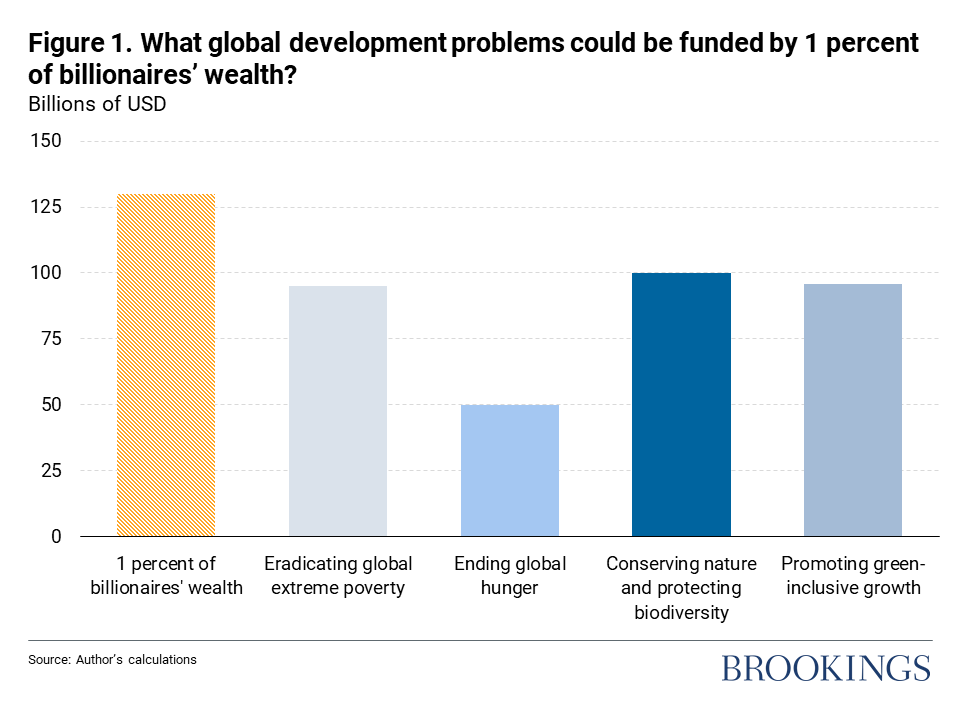
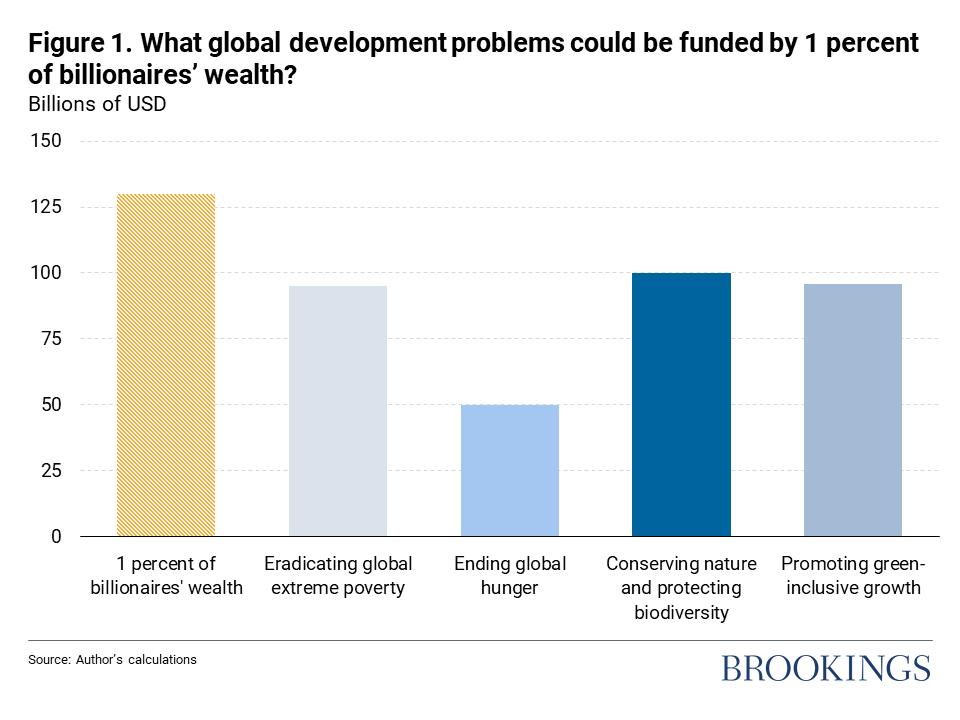
The truth is, the billionaires of the world could solve things like world hunger tomorrow if they gave away even just 1% of their wealth.
The big tech CEOs of our day, no doubt, have created technology that has changed the world. Large Language Models (LLM’s), like ChatGPT or Gemini that “know everything”, have, for some, become gods. In mere seconds, you can receive answers to all your burning questions through a voice which gives a standing ovation to your every thought. But these same CEOs have also consistently made concerted efforts to downplay, or downright deny, all of the harm they have caused. Superfans of people like Musk or Zuckerberg see their influence as highly aspirational, even spiritual. Instead of worshipping deities “in the sky,” there is an increasing movement of people who treat technology as their religion and tech CEOs as their leaders. In this mindset, these are the leaders who will usher humanity into a better future and it’s more than worth it if untold numbers of people suffer in the pursuit of this imagined utopia.
It’s no secret: we all know how fucking lonely and disconnected we are from one another. I swear to god (which god?) that if I see one more article about the “loneliness epidemic” I will explode. But it’s real, it’s here, and we are seeing that one of potential side effects of this epidemic is AI obsession. Many a chilling article has been written about AI Psychosis and the people who get lured in. People are falling in love with their chatbots, some believe their bots are psychic oracles and, devastatingly, some have even used chatbots to plan their own deaths.
In an era starved of connection, chatbots can feel like a convenient substitute. They always listen, always respond, and are always there for you no matter what time it is. Yes, this technology is powerful, but it is not sentient. The issue here is that you can’t convince the most faithful of this truth. And isn’t that what true faith is about? Believing in something higher even if you cannot prove it?
I understand the draw. A couple years ago, before I knew of or fully grasped the harmful effects of LLM’s and stopped using them altogether, I had my own short “relationship” with ChatGPT. I didn’t fall in love with it or think it was sentient, but I did use it for support. I used it in the way many warn against – as a therapist. During an era where I couldn’t bring myself to talk about difficult topics with friends or family, I turned to “chat” instead. Though I knew in the back of my mind that my data was being collected, it felt private. I could tell it my darkest thoughts and it wouldn’t judge me and, to my shock and awe, a lot of the advice it gave actually helped me feel better. I haven’t gone to GPT for advice in a long time and I now challenge myself to express my feelings to my in-person connections. For those who lack a robust social network however, GPT may be the only time they feel a connection.

LLM’s cannot die (in theory). Assuming data centers run forever, so can generative AI. To tie this back to the hyper rich and tech elites, this is a quality they envy in LLM’s and want to embody – and I’m not being hyperbolic here. The idea of “conquering death” has become a pretty popular philosophy amongst certain Silicon Valley psychopaths.

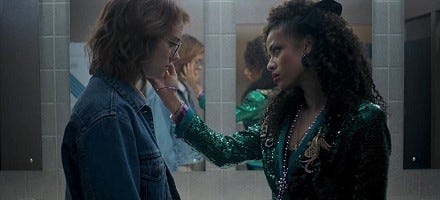
The anti-death wealth hoarders among us have invested heavily in companies pursuing life extension, space colonization, and technology which, they claim, will eventually allow individuals to stop aging, and/or upload their consciousness into a machine so they can live forever and become “post-human.” According to these guys, the ultimate godly act a human could accomplish on Earth would be to transcend death itself. And make no mistake: this technology would not be accessible to all those who might be interested and it certainly wouldn’t be nearly as charming as the Black Mirror episode “San Junipero.”
Increasingly, the billionaire class has poured outrageous sums of money building luxury underground bunkers to prep for doomsday. Seriously. Here’s their vision in a nutshell: while the majority of the population burns up and dies from war and climate collapse, they will be perfectly safe waiting til the day they can safely re-emerge and foster the techno future of their dreams hoping that, by then, technology will have advanced so much that it doesn’t matter that the world becomes uninhabitable for human beings. Their priority is to create a utopia for Superintelligence/Artificial General Intelligence (AGI), not humans. And besides, they might already be uploaded into machines or living in space by then, so it doesn’t matter. Some even want to speed up climate collapse, arguing that it will get them closer to a post-human future.

There is something dark in the human spirit that can never be satisfied. No amount of power, money or influence will ever be enough to fuel those who feel empty within. It’s the things that are missing that make you a star. It’s not the things that you have.
Regardless of whatever visions I have for the future, what I always wish to remember is, no matter how many or how little people know my name or my work, or how much or little money I have, I will never be more than human. I will make mistakes. I will look ugly. I will say the wrong things. And that’s all okay because it’s a part of life – powerful or not. What I wish to remember is that, the human hierarchy, though it has very real consequences, is nothing more than a façade.
It often feels like this world makes no fucking sense and it can be completely overwhelming to take it all in. What’s real though is us. We’re still here and we’re still alive. And guess what? We can impact our world way more when we are together than when we are apart. Lets always remember that we matter and that the future belongs to all of us, not just the famous or powerful. And if that’s true, why not make it one that values all of us?
this is how i learned that Clay Aiken ran for office??? but omg great piece as always bestie ❤️
This was SO good, def learned some new things as always.